Σφακιανάκης Αλέξανδρος
ΩτοΡινοΛαρυγγολόγος
Αναπαύσεως 5 Άγιος Νικόλαος
Κρήτη 72100
00302841026182
00306932607174
alsfakia@gmail.com

Αρχειοθήκη ιστολογίου

! # Ola via Alexandros G.Sfakianakis on Inoreader

Η λίστα ιστολογίων μου

Δευτέρα 4 Ιανουαρίου 2021

Men’s experiences of radiotherapy treatment for localized prostate cancer and its long-term treatment side effects: a longitudinal qualitative study

Cancer shared this article with you from Inoreader

10552.jpg

Abstract

Purpose

To investigate men's experiences of receiving external-beam radiotherapy (EBRT) with neoadjuvant Androgen Deprivation Therapy (ADT) for localized prostate cancer (LPCa) in the ProtecT trial.

Methods

A longitudinal qualitative interview study was embedded in the ProtecT RCT. Sixteen men with clinically LPCa who underwent EBRT in ProtecT were purposively sampled to include a range of socio-demographic and clinical characteristics. They participated in serial in-depth qualitative interviews for up to 8 years post-treatment, exploring experiences of treatment and its side effects over time.

Results

Men experienced bowel, sexual, and urinary side effects, mostly in the short term but some persisted and were bothersome. Most men downplayed the impacts, voicing expectations of age-related decline, and normalizing these changes. There was some reticence to seek help, with men prioritizing their relationships and overall health and well-being over returning to pretreatment levels of function. Some unmet needs with regard to information about treatment schedules and side effects were reported, particularly among men with continuing functional symptoms.

Conclusions

These findings reinforce the importance of providing universal clear, concise, and timely information and supportive resources in the short term, and more targeted and detailed information and care in the longer term to maintain and improve treatment experiences for men undergoing EBRT.

View on the web

Predictors of five-year survival among patients with hepatocellular carcinoma

Cancer shared this article with you from Inoreader

10552.jpg

Abstract

Background

Most patients with hepatocellular carcinoma (HCC) are ≥ 65 years old at diagnosis and ~ 20% present with disease amenable to curative intent surgical therapy. The aim of this study was to examine whether treatment, the demographic variables, and clinical factors could predict 5-year survival among HCC patients.

Methods

We included patients, 66 years or older, diagnosed with a first primary HCC from 1994 through 2007 in the SEER-Medicare database, and followed up until death or 31 December 2012. Curative intent treatment was defined as liver transplantation, surgery resection, or ablation. We estimated odds ratios (OR) and 95% confidence intervals (CI) for associations with 5-year survival using logistic regression.

Results

We identified 10,826 patients with HCC with mean age 75.3 (standard deviation, 6.4) years. Most were male (62.2%) and non-Hispanic white (59.7%). Overall, only 8.1% of patients were alive 5 years post-HCC diagnosis date. Among all patients that survived ≥ 5 years, 69.8% received potentially curative treatment. Conversely, patients who received potentially curative treatment represented only 15.7% of patients who survived < 5 years. Curative intent treatment was the strongest predictor for surviving ≥ 5 years (vs. none/palliative treatment; adjusted OR 8.12, 95% CI 6.90–9.64). While stage at diagnosis and comorbidities were also independently associated with ≥ 5-year survival in HCC patients, these factors did not improve discrimination between short- and long-term survivors.

Conclusions

Curative intent treatment was the strongest predictor for survival ≥ 5 years among HCC patients. Given the limited availability of liver transplant and limited eligibility for surgical resection, finding curative intent HCC therapies remain critically important.


View on the web

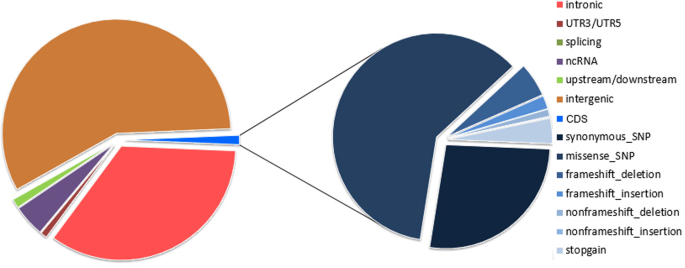
Genomic alterations caused by HPV integration in a cohort of Chinese endocervical adenocarcinomas

Cancer shared this article with you from Inoreader

41417_2020_283_Fig1_HTML.png

Cancer Gene Therapy, Published online: 04 January 2021; doi:10.1038/s41417-020-00283-4

Genomic alterations caused by HPV integration in a cohort of Chinese endocervical adenocarcinomas
View on the web

LONG-TERM RESULTS OF DOSE-INTENSIFIED FRACTIONATED STEREOTACTIC BODY RADIOTHERAPY (SBRT) FOR PAINFUL SPINAL METASTASES

Cancer shared this article with you from Inoreader

1-s2.0-S0360301620X00320-cov150h.gif

Publication date: Available online 4 January 2021

Source: International Journal of Radiation Oncology*Biology*Physics

Author(s): Matthias Guckenberger, Frederick Mantel, Reinhart A. Sweeney, Maria Hawkins, José Belderbos, Merina Ahmed, Nicolaus Andratschke, Indira Madani, Michael Flentje

View on the web

Brain stem gliomas and current landscape

Cancer shared this article with you from Inoreader

11060.jpg

Abstract

Purpose

CNS malignancies are currently the most common cause of disease related deaths in children. Although brainstem gliomas are invariably fatal cancers in children, clinical studies against this disease are limited. This review is to lead to a succinct collection of knowledge of known biological mechanisms of this disease and discuss available therapeutics.

Methods

A hallmark of brainstem gliomas are mutations in the histone H3.3 with the majority of cases expressing the mutation K27M on histone 3.3. Recent studies using whole genome sequencing have revealed other mutations associated with disease. Current standard clinical practice may merely involve radiation and/or chemotherapy with little hope for long term survival. Here we discuss the potential of new therapies.

Conclusion

Despite the lack of treatment options using frequently practiced clinical techniques, immunotherapeutic strategies have recently been developed to target brainstem gliomas. To target brainstem gliomas, investigators are evaluating the use of broad non-targeted therapy with immune checkpoint inhibitors. Alternatively, others have begun to explore adoptive T cell strategies against these fatal malignancies.

View on the web

Mechanisms of vasculogenic mimicry in hypoxic tumor microenvironments

Cancer shared this article with you from Inoreader

12943.jpg

Abstract

Background

Vasculogenic mimicry (VM) is a recently discovered angiogenetic process found in many malignant tumors, and is different from the traditional angiogenetic process involving vascular endothelium. It involves the formation of microvascular channels composed of tumor cells; therefore, VM is considered a new model for the formation of new blood vessels in aggressive tumors, and can provide blood supply for tumor growth. Many studies have pointed out that in recent years, some clinical treatments against angiogenesis have not been satisfactory possibly due to the activation of VM. Although the mechanisms underlying VM have not been fully elucidated, increasing research on the soil "microenvironment" for tumor growth suggests that the initial hypoxic environment in solid tumors is inseparable from VM.

Main body

In this review, we describe that the stemness and differentiation potential of cancer stem cells are enhanced under hypoxic microenvironments, through hypoxia-induced epithelial-endothelial transition (EET) and extracellular matrix (ECM) remodeling to form the specific mechanism of vasculogenic mimicry; we also summarized some of the current drugs targeting VM through these processes, suggesting a new reference for the clinical treatment of tumor angiogenesis.

Conclusion

Overall, the use of VM inhibitors in combination with conventional anti-angiogenesis treatments is a promising strategy for improving the effectiveness of targeted angiogenesis treatments; further, considering the importance of hypoxia in tumor invasion and metastasis, drugs targeting the hypoxia signaling pathway seem to achieve good results.

View on the web

Clear cell histology portends a worse prognosis than other WHO grade II histologies

Cancer shared this article with you from Inoreader

11060.jpg

Abstract

Purpose

Clear cell meningioma (CCM) is a rare WHO grade II meningioma variant, characterized by aggressive features and a high tumor recurrence rate. In this study, we compared overall and progression-free survivals between CCMs and other WHO grade II meningiomas.

Methods

A retrospective institutional database review was performed to identify all patients who underwent surgical resection of a WHO grade II meningioma between 1997 and 2019. Overall survival and progression-free survival were compared between patients with clear cell meningiomas and patients with other WHO grade II meningiomas. Multivariable Cox proportional-hazards analysis was used to identify independent predictors of tumor recurrence and survival.

Results

We included a total of 214 patients in this study (43 CCMs, 171 other WHO grade II meningiomas). Patients with CCMs had significantly shorter progression-free (p = 0.001) and overall (p = 0.026) survivals than patients with other grade II meningiomas. In multivariable analysis, clear cell histology was a significant and powerful independent predictor of tumor recurrence (HR 1.93; 95% CI 1.14–3.26) when controlling for tumor location, extent of resection, and adjuvant radiation. In multivariable analysis, clear cell histology correlated with increased mortality (HR 1.96, 95% CI 0.97–3.94), though this was not statistically significant.

Conclusion

This is the first study to compare overall and progression-free survivals between CCMs and other WHO grade II meningiomas. Clear cell histology predicts a higher risk of tumor recurrence and mortality than other grade II histologies. Future studies may help to understand the impact of these findings and the treatment implications.

View on the web

Αρχειοθήκη ιστολογίου