Σφακιανάκης Αλέξανδρος
ΩτοΡινοΛαρυγγολόγος
Αναπαύσεως 5 Άγιος Νικόλαος
Κρήτη 72100
00302841026182
00306932607174
alsfakia@gmail.com

Αρχειοθήκη ιστολογίου

! # Ola via Alexandros G.Sfakianakis on Inoreader

Η λίστα ιστολογίων μου

Τρίτη 6 Απριλίου 2021

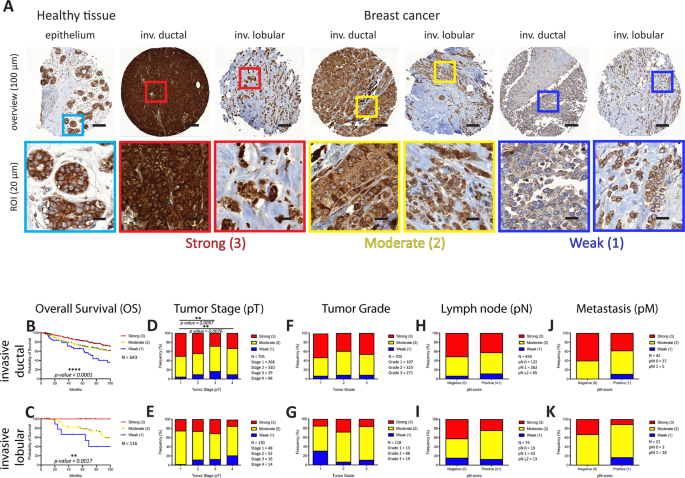
Cytoplasmic ADP-ribosylation levels correlate with markers of patient outcome in distinct human cancers

xloma.fota.13 shared this article with you from Inoreader

41379_2021_788_Fig1_HTML.png

Modern Pathology, Published online: 19 March 2021; doi:10.1038/s41379-021-00788-9

Cytoplasmic ADP-ribosylation levels correlate with markers of patient outcome in distinct human cancers
View on the web

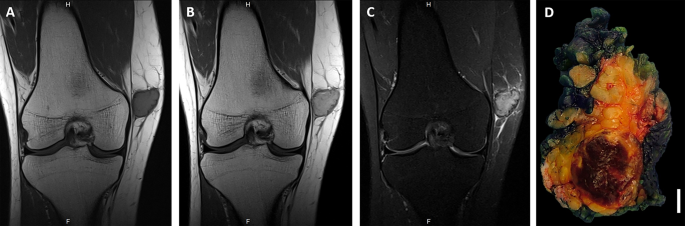
Recurrent novel HMGA2-NCOR2 fusions characterize a subset of keratin-positive giant cell-rich soft tissue tumors

xloma.fota.13 shared this article with you from Inoreader

41379_2021_789_Fig1_HTML.png

Modern Pathology, Published online: 19 March 2021; doi:10.1038/s41379-021-00789-8

Recurrent novel HMGA2-NCOR2 fusions characterize a subset of keratin-positive giant cell-rich soft tissue tumors
View on the web

PulmCrit Rant – Intermediate DVT prophylaxis in COVID: We need for better pants

xloma.fota.13 shared this article with you from Inoreader

pantstop.jpg?fit=2501%2C824&ssl=1

COVID will eventually lead to many improvements in our approach to critical illness.  I've been hoping that one of these would be an improved understanding of venous thromboembolism (VTE) prophylaxis, but perhaps that was overly optimistic. We provide VTE prophylaxis to nearly every patient in the ICU.  Consequently, even tiny changes in our VTE prophylaxis […]

EMCrit Project by Josh Farkas.

View on the web

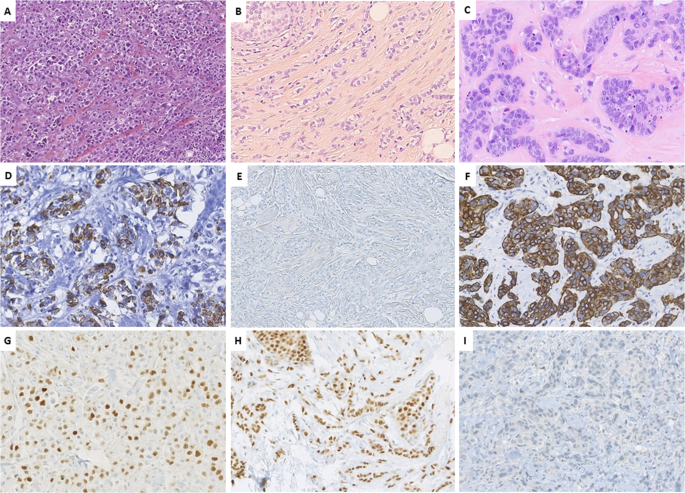
Triple-negative breast lobular carcinoma: a luminal androgen receptor carcinoma with specific ESRRA mutations

xloma.fota.13 shared this article with you from Inoreader

41379_2021_742_Fig1_HTML.png

Modern Pathology, Published online: 22 March 2021; doi:10.1038/s41379-021-00742-9

Triple-negative breast lobular carcinoma: a luminal androgen receptor carcinoma with specific ESRRA mutations
View on the web

IBCC – Stupor & Coma

xloma.fota.13 shared this article with you from Inoreader

comatop-scaled.jpg?fit=2560%2C452&ssl=1

Stupor and coma can be a challenging presentation, because it has a broad differential filled with very severe diseases.  An organized approach is essential.  One core feature of that approach is the coma neurologic examination, which remains central to the evaluation even in the era of abundant CT and MRI scanning. The IBCC chapter is […]

EMCrit Project by Josh Farkas.

View on the web

Diagnostics for Gonorrhea and Chlamydia in the Emergency Department: Fight Smarter Not Harder

xloma.fota.13 shared this article with you from Inoreader
In 2018 alone, 583,405 cases of Neisseria gonorrhoeae and 1,758,688 cases of Chlamydia trachomatis were reported to the Centers for Diseases Control and Prevention, representing an increase of 63% and 19%, respectively, since 2014.1 Approximately 7% to 16% of sexually transmitted infections are diagnosed and treated in emergency departments (EDs), and this trend is likely to continue.2,3 Because of their high sensitivity (>95%) and specificity (>99%), nucleic acid amplification tests (NAATs) are the mainstay of laboratory diagnosis for N gonorrhoeae and C trachomatis and can be performed on first-void urine or specimens obtained from the vagina, endocervix, oropharynx, or rectum.

View on the web

Boy with Abdominal Pain

xloma.fota.13 shared this article with you from Inoreader
An 11-year-old boy presented to the emergency department with sudden-onset, severe, sharp, right upper quadrant abdominal pain and vomiting. On examination, the patient was afebrile, with a pulse rate of 92 beats/min and right upper quadrant tenderness. Laboratory test results were unremarkable, including a WBC count of 9,670/mm3 without left shift. Radiography of the abdomen revealed no evidence of obstruction. Abdominal point-of-care ultrasonography was performed (Figures 1 and 2, left panel, and Video E1, available online at http://www.annemergmed.com) and the diagnosis was confirmed by contrast-enhanced computed tomography (CT) (Figures 1 and 2, right panel).
View on the web

Αρχειοθήκη ιστολογίου