Σφακιανάκης Αλέξανδρος
ΩτοΡινοΛαρυγγολόγος
Αναπαύσεως 5 Άγιος Νικόλαος
Κρήτη 72100
00302841026182
00306932607174
alsfakia@gmail.com

Αρχειοθήκη ιστολογίου

! # Ola via Alexandros G.Sfakianakis on Inoreader

Η λίστα ιστολογίων μου

Τρίτη 12 Απριλίου 2022

Principles of Surgery in Head and Neck Cutaneous Melanoma

alwin shared this article with you from Inoreader
Surgical management of head and neck melanoma starts from the primary biopsy of the cutaneous site by a narrow excision with a 1 to 3  mm margins. The margin should include the whole breadth and sufficient depth of the lesion. The key is not to transect the lesion. With the advent of molecular testing, gene expression profiling, and immunotherapies, the surgical management of advanced melanoma has changed. Sentinel lymph node bio psy is an essential armamentarium for T2a and higher staging/greater than 1 mm thick and advance stage disease. Molecular pathogenesis and cancer immunology are recognized in the recent treatment protocols along with surgery in advanced stages of melanoma. (Source: Oral and Maxillofacial Surgery Clinics)
View on the web

Mohs Micrographic Surgery for the Treatment of Cutaneous Melanomas of the Head and Neck

alwin shared this article with you from Inoreader
Surgical excision achieving clear histologic margins remains the mainstay treatment for primary cutaneous melanoma. Tumors of the head and neck, particularly those arising in chronically sun-damaged skin, often demonstrate extensive and asymmetric subclinical extension. Over the decades, this has proven to be a significant problem for tumors arising on the head and neck, as anatomic and functional complexities of these areas have led to suboptimal surgical treatment, yielding unacceptably high rates of local recurrence and persistently positive margins with traditional wide local excision. Patients who undergo Mohs micrographic surgery may have improved survival over those who undergo wide local excision. (Source: Oral and Maxillofacial Surgery Clinics)
View on the web

Poor Treatment Outcomes with Second-Line Chemotherapy in Advanced Synovial Sarcoma

alwin shared this article with you from Inoreader
Via Oncology
CONCLUSION: Our exploratory study revealed that the response rate of second-line chemotherapy regimens for patients with synovial sarcoma was 9.4%. Therefore, there is an urgent need to develop more active therapeutic regimens for synovial sarcomas.PMID:35405680 | DOI:10.1159/000524500 (Source: Oncology)
View on the web

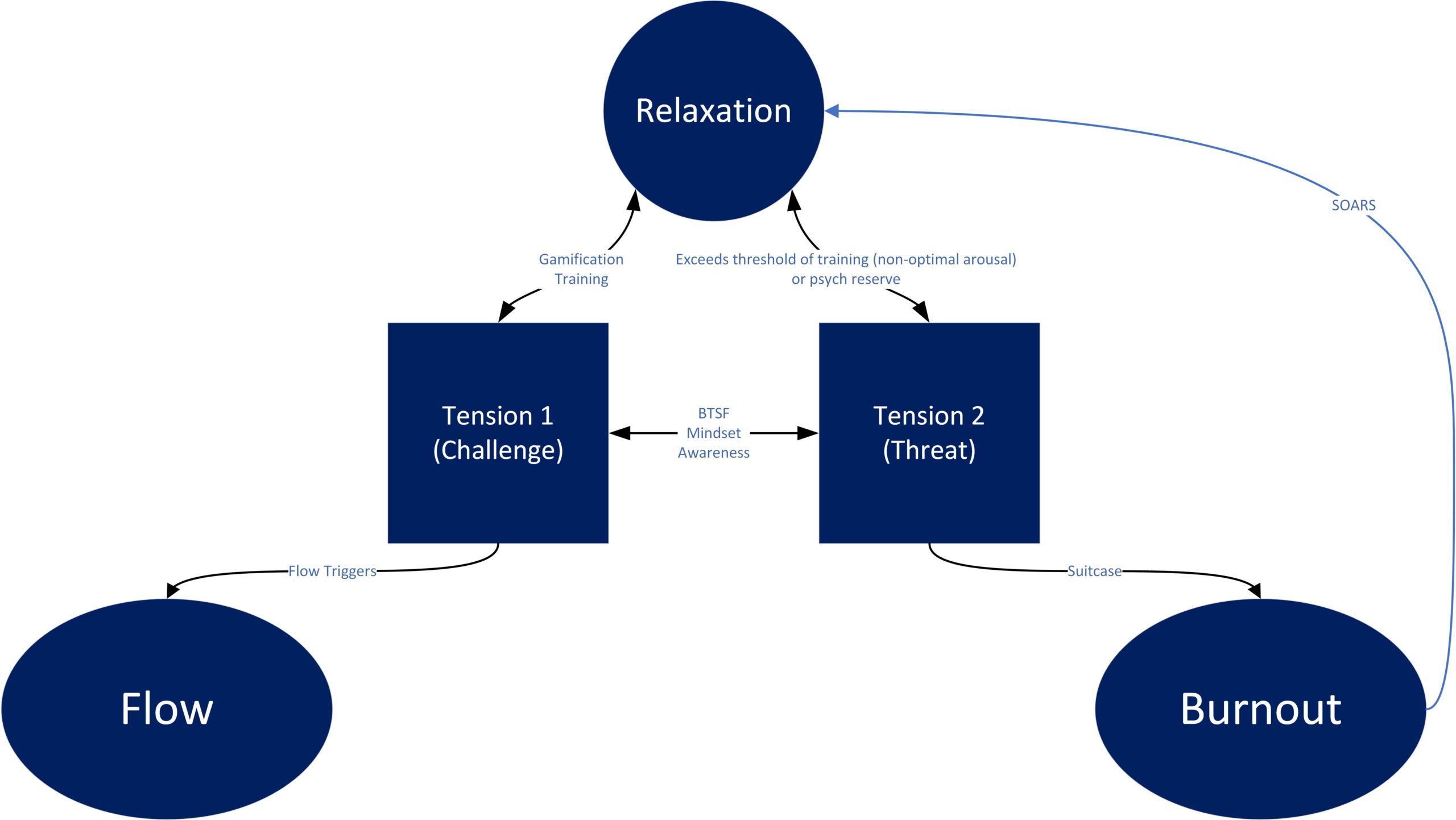
EMCrit 320 – MotR – Tension & Relaxation | Flow & Burnout

als.fakia shared this article with you from Inoreader

Tension-Relaxation-1-scaled.jpg

Seek flow and avoid burnout...

EMCrit Project by Scott Weingart, MD FCCM.

View on the web

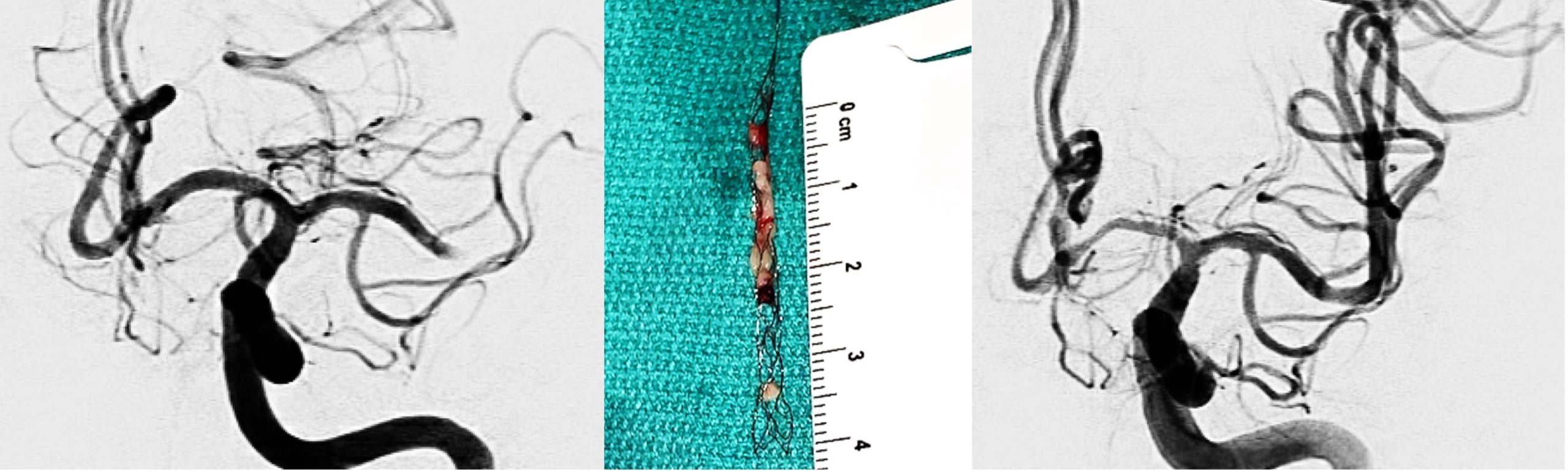
NeuroEMCrit – Time is Brain – Acute Ischemic Stroke Part 2: Mechanical Thrombectomy

als.fakia shared this article with you from Inoreader

Thrombectomy-2-scaled.jpg

part II of the stroke update...

EMCrit Project by NeuroEMCrit Team (Casey & Neha).

View on the web

Introducing the Internet Book of NeuroCritical Care (IBNCC)

als.fakia shared this article with you from Inoreader

ibnccheader-scaled.jpg

Friends, Over the next several months we'll be adding ~26 additional chapters to the neurology section of the IBCC.  The ultimate goal is to create a complete neurocritical care textbook that is fully integrated into the IBCC.  (You can preview the final table of contents here.) Why more neurocrit?  The brain is one of the […]

EMCrit Project by Josh Farkas.

View on the web

Retrospective analysis of adjuvant radiotherapy in oral cavity or oropharyngeal cancer: Feasibility of omitting lower-neck irradiation

als.fakia shared this article with you from Inoreader

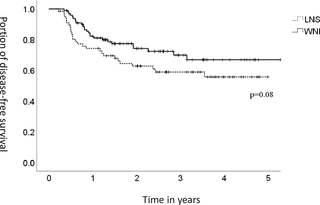
journal.pone.0266678.g002&size=inline

by Sheng-Yow Ho, Wan-Chen Kao, Sheng-Yen Hsiao, Sheng-Fu Chiu, Sung-Wei Lee, Jia-Chun Chen, Li-Tsun Shieh

Objectives

Adjuvant radiotherapy is the standard of care in locally advanced head and neck cancers. The radiation field is correlated with the surgical field in the adjuvant radiotherapy setting; therefore, tailoring the irradiation field is reasonable.

Materials and methods

We retrospectively analyzed patients with oral cavity and oropharyngeal cancers included in the cancer registry between 2015 and 2019 in the study hospital. Patients who underwent whole-neck irradiation (WNI) were compared with those who underwent lower-neck–sparing (LNS) irradiation.

Results

A total of 167 patients with oral cavity and oropharyngeal cancers were included in the study. Cancer recurrence was recorded in 33% of the patients. The rate of recurrence of oral cavity and oropharyngeal cancer at neck level IV was 8%. The 2-year incidence of level IV recurrence was lower in the WNI group than in the LNS group (2% vs. 10%; p = 0.04). The 2-year disease-free survival rates were 75% and 63% in the WNI and LNS groups, respectively (p = 0.08).

Conclusion

The rate of level IV recurrence was higher in the LNS group than in the WNI group. Trends of improvement in disease-free survival with lower-neck irradiation suggested that it is premature to consider LNS irradiation as daily practice in patients with oral cavity and oropharyngeal cancer.


View on the web

Αρχειοθήκη ιστολογίου