Σφακιανάκης Αλέξανδρος
ΩτοΡινοΛαρυγγολόγος
Αναπαύσεως 5 Άγιος Νικόλαος
Κρήτη 72100
00302841026182
00306932607174
alsfakia@gmail.com

Αρχειοθήκη ιστολογίου

! # Ola via Alexandros G.Sfakianakis on Inoreader

Η λίστα ιστολογίων μου

Πέμπτη 14 Ιουλίου 2022

Cervical Pneumatocele Following Total Thyroidectomy Presenting as an Air Thyrogram

alexandrossfakianakis shared this article with you from Inoreader

jamanetwork.com

This case report describes a woman in her 30s who presented with delayed cervical pneumatocele after thyroidectomy.
View on Web

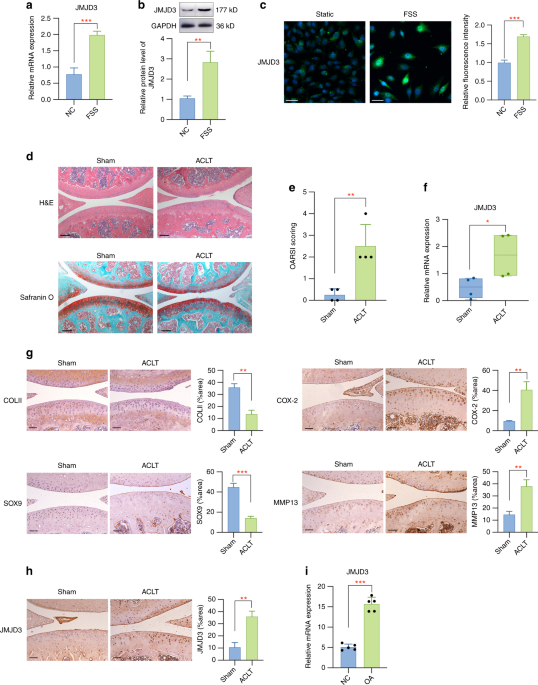
Histone demethylase JMJD3 downregulation protects against aberrant force-induced osteoarthritis through epigenetic control of NR4A1

alexandrossfakianakis shared this article with you from Inoreader

41368_2022_190_Fig1_HTML.png

International Journal of Oral Science, Published online: 14 July 2022; doi:10.1038/s41368-022-00190-4

Histone demethylase JMJD3 downregulation protects against aberrant force-induced osteoarthritis through epigenetic control of NR4A1
View on Web

Postoperative Gabapentin's Effect on Opioid Consumption and Pain Control Following Sinonasal Surgery

alexandrossfakianakis shared this article with you from Inoreader

Objective

This study investigates the impact of postoperative gabapentin on opioid consumption and pain control following endoscopic sinus surgery (ESS) and/or septoplasty.

Methods

Patients who underwent ESS and/or septoplasty at a single institution from 2021 to 2022 were enrolled. All patients received postoperative hydrocodone-acetaminophen for pain control. Half of the patients were also prescribed gabapentin for the first postoperative day in addition to hydrocodone-acetaminophen. Subjects completed the Revised American Pain Society Patient Outcome Questionnaire 24 h and 7 days after surgery. We conducted a multivariable regression analysis to assess opioid consumption and improvement in pain scores in the first week between gabapentin and non-gabapentin groups.

Results

A total of 102 subjects, 51 in each arm, were enrolled. The mean age was 52 years and 53% of participants were female. Controlling for important baseline demographic, clinical, and surgically related variables, the addition of postoperative gabapentin was associated with a 44% (9.5 mg from 21.6 mg) reduction in opioids consumed in the first postoperative week (B = −9.54, 95% C.I. = [−17.84, −1.24], p = 0.025). In addition, patients in both arms exhibited similar improvement in pain severity and sleep interference in the first 7 days (B = −1.59, 95% C.I. = [−5.03, 1.84], p = 0.36).

Conclusion

To the best of our knowledge, this is the first study to investigate the impact of postoperative gabapentin on opioid consumption and pain control following ESS and/or septoplasty. Our analysis demonstrated that postoperative gabapentin effectively reduced opioid use during the first postoperative week without compromising pain control.

Level of Evidence

3 Laryngoscope, 2022

View on Web

Image‐Guided Surgical Device Failures in Functional Endoscopic Sinus Surgery: A MAUDE Analysis

alexandrossfakianakis shared this article with you from Inoreader
Image-Guided Surgical Device Failures in Functional Endoscopic Sinus Surgery: A MAUDE Analysis

Image-guided surgery (IGS) devices have become widely used for anatomic localization during functional endoscopic sinus surgery (FESS). However, there are no studies that analyze the post-market complications associated with IGS device use during FESS. This study queried the US Food and Drug Administration's Manufacturer and User Facility Device Experience database for event reports associated with neurological stereotaxic devices utilized in IGS between the dates of January 1, 2016 and December 31, 2020. Of the medical device reports between 2016 and 2020, less than 3% resulted in adverse events.


Objective

Image-guided surgery (IGS) devices have become widely used for anatomic localization during functional endoscopic sinus surgery (FESS). However, there are no studies that analyze the post-market complications associated with IGS device use during FESS. The objective of this study was to better characterize post-market complications associated with the use of IGS devices during sinus surgery.

Methods

The US Food and Drug Administration's Manufacturer and User Facility Device Experience database was queried for event reports associated with neurological stereotaxic devices utilized in IGS between the dates of January 1, 2016 and December 31, 2020. Medical device reports that were analyzed for this study pertained strictly to FESS.

Results

There were 1873 reports involving IGS devices for FESS included in this study. Fifty-five reports involved adverse events to patients (2.9%) and 1818 (97.1%) involved device malfunctions. Of the adverse events to patients, the most common included cerebrospinal fluid leakage (45.6%), tissue damage (12.7%), and nervous system injury (3.6%). The most commonly reported device malfunction was imprecision (21.1%).

Conclusion

IGS devices are widely utilized in FESS. Of the medical device reports between 2016 and 2020, less than 3% resulted in adverse events. Further studies of the infrequent post-market complications of IGS devices used in FESS can help guide surgeons on the risks of their clinical use.

Level of Evidence

4—Retrospective database survey without controls Laryngoscope, 2022

View on Web

Systematic review of head and neck lymphedema assessment

alexandrossfakianakis shared this article with you from Inoreader

Abstract

Head and neck lymphedema (HNL) is an increasingly recognized complication of head and neck cancer and its treatment. However, no consensus exists on the "gold-standard" assessment tool for the purposes of diagnosis, classification, or monitoring of HNL. We conducted a systematic review of the literature regarding HNL assessment to determine the optimal method/s of assessment for patients with HNL. A review of publications between January 2000 and September 2021 was undertaken on four electronic databases. Studies were excluded if no clear assessment method of HNL was documented. Sixty-seven articles were included in the study. A wide range of assessment methods for HNL have been reported in the literature. For the purposes of diagnosis and classification of physical findings, computed tomography (CT) appears the most promising tool available for both external and internal HNL. In terms of monitoring, ultrasound appears optimal for external HNL, while a clinician-reported ratin g scale on laryngoscopy is the gold standard for internal HNL. Patient-reported assessment must be considered alongside objective methods to classify symptom burden and monitor improvement with treatment.

View on Web

Safety and Immunogenicity of COVID‐19 Vaccination in Patients with Hepatocellular Carcinoma (CHESS‐NMCID 2101): A Multicenter Prospective Study

alexandrossfakianakis shared this article with you from Inoreader

ABSTRACT

Data on safety and immunogenicity of coronavirus disease 2019 (COVID-19) vaccinations in hepatocellular carcinoma (HCC) patients are limited. In this multicenter prospective study, HCC patients received 2 doses of inactivated whole-virion COVID-19 vaccines. The safety and neutralizing antibody were monitored. Totally, 74 patients were enrolled from 10 centers in China, and 37 (50.0%), 25 (33.8%), and 12 (16.2%) received the CoronaVac, BBIBP-CorV, and WIBP-CorV, respectively. The vaccines were well tolerated, the injection site pain (6.8% [5/74]) and anorexia (2.7% [2/74]) were the most frequently local and systemic adverse events. The median level of neutralizing antibody was 13.5 (interquartile range [IQR]: 6.9-23.2) AU/mL at 45 (IQR: 19-72) days after the second dose of vaccinations, and 60.8% (45/74) of patients had positive neutralizing antibody. Additionally, lower gamma-glutamyl transpeptidase level was related to positive neutralizing antibody (odds r atio = 1.022 [1.003-1.049], p = 0.049). In conclusion, this study found that inactivated COVID-19 vaccinations are safe and the immunogenicity is acceptable or hyporesponsive in patients with HCC. Given that the potential benefits may outweigh the risks and the continuing emergences of novel severe acute respiratory syndrome coronavirus 2 variants, we suggest HCC patients to be vaccinated against COVID-19. Future validation studies are warranted.

This article is protected by copyright. All rights reserved.

View on Web

Rhinovirus persistence during the COVID‐19 pandemic – impact on paediatric acute wheezing admissions

alexandrossfakianakis shared this article with you from Inoreader

Abstract

Rhinoviruses have persisted throughout the COVID-19 pandemic, despite other seasonal respiratory viruses (influenza, parainfluenza, respiratory syncytial virus, adenoviruses, human metapneumovirus) being mostly suppressed by pandemic restrictions, such as masking and other forms social distancing, especially during the national lockdown periods. Rhinoviruses, as non-enveloped viruses, are known to transmit effectively via the airborne and fomite route, which has allowed infection amongst children and adults to continue despite pandemic restrictions. Rhinoviruses are also known to cause and exacerbate acute wheezing episodes in children predisposed to this condition. Non-infectious causes such as air pollutants (PM2.5, PM10) can also play a role. In this retrospective ecological study, we demonstrate the correlation between UK national sentinel rhinovirus surveillance, the level of airborne particulates and the changing patterns of paedi atric emergency department presentations for acute wheezing, before and during the COVID-19 pandemic (2018-2021) in a large UK teaching hospital.

This article is protected by copyright. All rights reserved.

View on Web

Αρχειοθήκη ιστολογίου