Σφακιανάκης Αλέξανδρος
ΩτοΡινοΛαρυγγολόγος
Αναπαύσεως 5 Άγιος Νικόλαος
Κρήτη 72100
00302841026182
00306932607174
alsfakia@gmail.com

Αρχειοθήκη ιστολογίου

! # Ola via Alexandros G.Sfakianakis on Inoreader

Η λίστα ιστολογίων μου

Τρίτη 2 Αυγούστου 2022

Association between body composition and survival in head and neck cancer patients undergoing radiotherapy

alexandrossfakianakis shared this article with you from Inoreader

Abstract

Background

Body composition may influence the prognosis of head and neck cancer (HNC) patients. To find out the most crucial factors in this relationship, we explored the association between body composition and survival.

Methods

In this prospective longitudinal study, HNC patients who underwent radiotherapy (RT) from March 2017 to December 2018 were recruited. The association between body composition and survival was analyzed using Cox proportional hazard regression.

Results

Final analysis included 316 patients, with a median follow-up of 34.4 months. Multivariable analysis revealed that weight loss 6 months before RT and body composition changes during RT did not affect the survival outcome. However, patients with low appendicular skeletal muscle mass index (ASMI) before RT exhibited poor overall survival (OS). ASMI before RT was an independent prognostic factor for OS.

Conclusions

Body composition loss was common during RT, and ASMI before RT independently influenced the survival outcomes of HNC patients.

View on Web

Combined taxane, platinum, and cetuximab as a first‐line treatment for recurrent/metastatic head and neck squamous cell carcinoma: Retrospective study

alexandrossfakianakis shared this article with you from Inoreader

Abstract

Background

There is limited evidence supporting the use of taxane-based chemotherapy combined with cetuximab to treat recurrent/metastatic head and neck squamous cell carcinoma (R/M HNSCC). This retrospective study aimed to explore treatment efficacy and safety in a first-line setting.

Methods

Fifty-nine patients received ≤6 cycles of combined cetuximab, platinum compounds, and taxane (median follow-up, 352 days). Kaplan–Meier survival curves were constructed.

Results

The median patient age was 54 years (23–75 years; 50 males and 9 females). The most common distant metastatic site was the lung. Patients received ≥2 cycles chemotherapy (33 [55.9%] received cetuximab, paclitaxel, and carboplatin; 21 [35.5%] received cetuximab maintenance; median progression-free survival, 7 months; overall survival, 12 months). The most common hematological toxicity was Grade 3 or 4 neutropenia, which was successfully managed through growth-stimulating factors and dose modifications. No treatment-associated deaths occurred.

Conclusions

Combined cetuximab, platinum, and taxane is effective and tolerable in R/M HNSCC.

View on Web

Recurrence risk stratification and treatment strategies of patients with stage IVa‐b hypopharyngeal squamous cell carcinoma

alexandrossfakianakis shared this article with you from Inoreader

Abstract

Background

Optimal treatment strategies for patients with stage IVa-b hypopharyngeal squamous cell carcinoma (HSCC) remain controversial. This study aimed to examine the high-risk factors of postoperative tumor recurrence after surgical resection of HSCC and devise individualized postoperative adjuvant treatment (POAT).

Methods

Overall, 218 patients with stage IVa-b HSCC who received surgery as initial treatment and with negative surgical margins were evaluated. Independent risk factors of recurrence were identified, and survival outcomes were compared according to recurrence risk and POAT use.

Results

POAT significantly improved recurrence-free survival (RFS) and overall survival (OS) only in the high-risk patients (p = 0.003 and 0.018, respectively). Compared with postoperative radiotherapy alone, postoperative chemoradiotherapy (pCRT) achieved significantly better RFS (p = 0.035) and OS (p = 0.048).

Conclusions

POATs are recommended for high-risk patients with stage Iva-b HSCC, with pCRT achieving superior outcomes. Regular re-examination after tumor resection is sufficient for low-risk patients.

View on Web

Noradrenergic Add-on Therapy with Extended-Release Guanfacine in Alzheimer’s Disease (NorAD): study protocol for a randomised clinical trial and COVID-19 amendments

alexandrossfakianakis shared this article with you from Inoreader

13063.jpg

Guanfacine is a α2A adrenergic receptor agonist approved for treating attention deficit hyperactivity disorder (ADHD). It is thought to act via postsynaptic receptors in the prefrontal cortex, modulating execu...
View on Web

Prediction of R Status in Resections for Pancreatic Cancer Using Simplified Radiological Criteria

alexandrossfakianakis shared this article with you from Inoreader
imageObjective: Predicting R status before surgery for pancreatic cancer (PDAC) patients with upfront surgery and neoadjuvant therapy. Summary Background Data: Negative surgical margins (R0) are a key predictor of long-term outcomes in PDAC. Methods: Patients undergoing pancreatic resection with curative intent for PDAC were identified. Using the CT scans from the time of diagnosis, the 2019 NCCN borderline resectability criteria were compared to novel criteria: presence of any alteration of the superior mesenteric-portal vein (SMPV) and perivascular stranding of the superior mesenteric artery (SMA). Accuracy of predicting R status was evaluated for both criteria. Patient baseline characteristics, surgical, histopathological parameters, and long-term overall survival (OS) after resection were evaluated. Results: A total of 593 patients undergoing pancreatic resections for PDAC between 2010 and 2018 were identified. Three hundred and twenty-five (54.8%) patients underwent upfront surgery, whereas 268 (45.2%) received neoadjuvant therapy. In upfront resected patients, positive SMA stranding was associated with 56% margin positive resection rates, whereas positive SMA stranding and SMPV alterations together showed a margin positive resection rate of 75%. In contrast to these criteria, the 2019 NCCN borderline criteria failed to predict margin status. In patients undergoing neoadjuvant therapy, only perivascular SMA stranding remained a predictor of margin positive resection, leading to a rate of 33% R+ resections. Perivascular SMA stranding was related to higher clinical T stage (P = 0.003) and clinical N stage (P = 0.043) as well as perineural invasion (P = 0.022). SMA stranding was associated with worse survival in both patients undergoing upfront surgery (36 vs 22 months, P = 0.002) and neoa djuvant therapy (47 vs 34 months, P = 0.050). Conclusions: The novel criteria were accurate predictors of R status in PDAC patients undergoing upfront resection. After neoadjuvant treatment, likelihood of positive resection margins is approximately halved, and only perivascular SMA stranding remained a predictive factor.
View on Web

Δευτέρα 1 Αυγούστου 2022

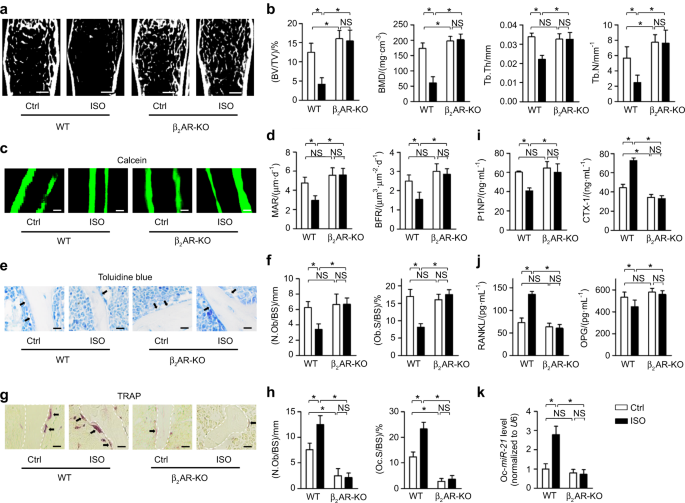
Targeted inhibition of osteoclastogenesis reveals the pathogenesis and therapeutics of bone loss under sympathetic neurostress

alexandrossfakianakis shared this article with you from Inoreader

41368_2022_193_Fig1_HTML.png

International Journal of Oral Science, Published online: 01 August 2022; doi:10.1038/s41368-022-00193-1

Targeted inhibition of osteoclastogenesis reveals the pathogenesis and therapeutics of bone loss under sympathetic neurostress
View on Web

Extracapsular dissection by the sternocleidomastoid muscle–parotid space approach reduces the risks of postparotidectomy sialocele and salivary fistula

alexandrossfakianakis shared this article with you from Inoreader

Abstract

Background

Postoperative sialoceles and fistulas are frequent surgical complications of parotid tumor resection. Extracapsular dissection by the sternocleidomastoid muscle–parotid space approach (ECD-SMPSA) is a minimally invasive technique. To our knowledge, the characteristics of sialoceles and fistulas secondary to ECD-SMPSA have not been reported.

Methods

This prospective study enrolled 52 patients who underwent ECD-SMPSA without sialocele/fistula prevention measures. Postoperative sialoceles and fistulas were evaluated during 2 months of follow-up.

Results

Among the 52 patients, only one male patient developed a mild sialocele. No salivary fistulas occurred. The overall rate of sialocele/fistula formation was 1.92%.

Conclusions

When treating clinically benign tumors that involve the sternocleidomastoid muscle–parotid space, ECD-SMPSA may prevent postoperative formation of sialoceles and salivary fistulas.

View on Web

Αρχειοθήκη ιστολογίου