Σφακιανάκης Αλέξανδρος
ΩτοΡινοΛαρυγγολόγος
Αναπαύσεως 5 Άγιος Νικόλαος
Κρήτη 72100
00302841026182
00306932607174
alsfakia@gmail.com

Αρχειοθήκη ιστολογίου

! # Ola via Alexandros G.Sfakianakis on Inoreader

Η λίστα ιστολογίων μου

Πέμπτη 12 Νοεμβρίου 2020

Haemophagocytic lymphohistiocytosis that spontaneously resolved: a case of EBV

alkiviadis.1961 shared this article with you from Inoreader

BMJ_CaseReports_logo_Twitter_Card.png

A 23-year-old Caucasian woman, presented with recurrent fevers, elevated liver function tests and pancytopenia. Her labs at presentation were white blood cells 1.5 x10⁹/L, haemoglobin 8 g/L, platelets 59 k/mcl, lactate dehydrogenase (LDH) over 2000 U/L, aspartate aminotransferase 593 U/L, alanine aminotransferase 1321 U/L, alkaline phosphatase 223 U/L and ferritin 7665 µg/L. Epstein-Barr virus (EBV) IgM and IgG antibodies were positive in serum. A soluble inter leukin 2 receptor was elevated at 2458. A bone marrow biopsy revealed scattered macrophages containing erythrocytes and other cellular elements. Immunohistochemistry for CD68 highlighted macrophages with erythrophagocytosis and in situ hybridisation was positive for EBV. She met the diagnostic criteria for haemophagocytic lymphohistiocytosis (HLH). She was initially treated with broad spectrum antibiotics which were eventually discontinued once the diagnosis was established. Over a period of 2–3 weeks her fever, transaminitis, ferritin and LDH improved spontaneously. She continued to improve clinically and was subsequently discharged. HLH is an aggressive, life-threatening hyper-inflammatory syndrome which, if not promptly recognised and treated, can be fatal. Treatment involves etoposide-based chemotherapy and possible stem-cell transplantation. This patient showed signs of improvement spontaneously and a decision was made to not treat her. This was a rare case of EBV-associated HLH which resolved spontaneously without any intervention. This young patient was not subjected to unnecessary chemotherapy. So far only few cases of spontaneous resolution of EBV-associated HLH have been reported.

View on the web

An Exploratory Study of the Relative Effects of Various Protective Factors on Depressive Symptoms Among Older People

alkiviadis.1961 shared this article with you from Inoreader

579304_Thumb_400.jpg

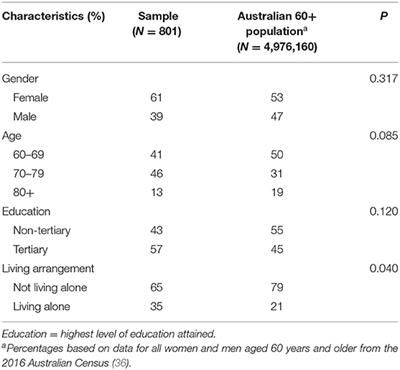
Objective: The present study investigated the relative importance of various factors found to be negatively associated with depressive symptoms in older adults and assessed the potential moderating effect of sociodemographic characteristics for each factor.

Method: Depressive symptoms were measured with the Center of Epidemiological Studies Depression Scale. Psychological, social, and physical health measures relating to the following factors were also administered: personal growth, purpose in life, se lf-esteem, self-efficacy, social support, self-rated health, life satisfaction, and physical activity. Multivariate linear regression analysis was used to investigate the most important factors associated with depressive symptoms, and moderation analyses were employed to identify any moderating effects of sociodemographic factors.

Results: Life satisfaction, self-esteem, and purpose in life were found to be negatively associated with depressive symptoms. Only one moderating effect was observed—the negative relationship between life satisfaction and depressive symptoms was significantly stronger among the younger respondents.

Conclusion: These findings suggest that strategies for the prevention or amelioration of depressive symptoms across subgroups of the senior population could be optimized by focusing on enhancing life satisfaction, self-esteem, and purpose in life.

View on the web

The Need for Ocular Protection for Health Care Workers During SARS-CoV-2 Outbreak and a Hypothesis for a Potential Personal Protective Equipment

alkiviadis.1961 shared this article with you from Inoreader

599757_Thumb_400.jpg

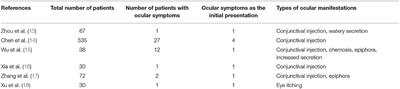
SARS-CoV-2 is a coronavirus with high infectivity and has caused dramatic pressure on health systems all over the world. Appropriate personal protection for medical staffs is critical. For ocular protection, there is ongoing hot debate and concern for potential ocular transmission of SARS-CoV-2. Ocular manifestations and positive detection of viral RNA in ocular samples were only reported in very small number of patients infected with SARS-CoV-2. However, health care workers need to face patients more closely and have higher risk of aerosol contamination. Thus, appropriate ocular protection for medical workers is still recommended by organizations such as WHO and American Academy of Ophthalmology. Although eye goggles provide excellent protection and are mandatory fo r medical practitioners with high risk of exposure, they are not ideal for common clinical practice, because they can disturb vision due to extensive formation of water droplets and frequently cause moderate to severe discomfort after longtime wearing, which have been reported to interfere with working status. For the majority of medical workers who don't deal with high risk patients, they are not advised to wear goggles in daily practice. However, they also face the risk of infection due to the presence of asymptomatic carriers. Especially in situations with high risk of ocular exposure, such as close physical examination, eye surgery, dental clinics and surgery, ocular protection may be needed. Griffithsin has been shown to directly bind to spike proteins and has anti-viral activity against a broad spectrum of viruses, including coronavirus. Griffithsin is found to inhibit the entry of SARS-CoV at relatively low concentration and is stable and non-toxic. SARS-CoV-2 and SARS-CoV sh are the same entry receptors and their spike proteins are similar in conformation. We hypothesize that contact lenses containing nanoparticles loaded with griffithsin may provide sufficient ocular protection for medical staffs without high risk of exposure during the outbreak period of SARS-CoV-2. If proven effective, griffithsin-loaded contact lens can be considered as a supplementary ocular protective equipment for medical workers who can tolerate well. The daily disposable contact lens should be applied as needed and refrain from extended wearing in order to reduce potential side effects.

View on the web

Protocol for a case-control study of vitamin D status, adult multidrug-resistant tuberculosis disease and tuberculosis infection

alkiviadis.1961 shared this article with you from Inoreader

bmjopen-default-cover.png

Introduction

Vitamin D status may be an important determinant of multidrug-resistant tuberculosis (MDR-TB) infection, progression to disease and treatment outcomes. Novel and potentially cost-effective therapies such as vitamin D supplementation are needed to stem the tide of TB and MDR-TB globally, particularly in India, a country that accounts for the largest fraction of the world's TB incidence and MDR-TB incidence, and where vitamin D deficiency is endemic. While vitamin D has shown some promise in the treatment of MDR-TB, its role in the context of MDR-TB infection and progression to disease is largely unknown.

Methods and analysis

Through a case–control study in Mumbai, India, we aim to examine associations between vitamin D status and active MDR-TB and to investigate vitamin D status and TB infection among controls. Cases are adult outpatient pulmonary patients with MDR-TB recruited from two public TB clinics. Controls are recruited from the cases' household contacts and from non-respiratory departments of the facilities where cases were recruited. Cases and controls are assessed for serum 25-hydroxyvitamin D concentration, nutrient intake, diet quality, anthropometry and other relevant clinical and sociodemographic parameters. Controls undergo additional clinical assessments to rule out active TB and laboratory assessments to determine presence of TB infection. Statistical analysis investigates associations between vitamin D status and active MDR-TB and between vitamin D status and TB infection among controls, accounting for potential confounding effects of diet, anthropometry and other covariates.

Ethics and dissemination

This study has been approved by Harvard T.H. Chan School of Public Health Institutional Review Board; Foundation for Medical Research Institutional Research Ethics Committee and Health Ministry's Screening Committee of the Indian Council for Medical Research. Permission was granted by the Municipal Corporation of Greater Mumbai, India, a collaborating partner on this research. Outcomes will be disseminated through publication and scientific presentation.

Trial registration number

NCT04342598.

View on the web

Fibrosis-4 index as a predictor for mortality

alkiviadis.1961 shared this article with you from Inoreader

bmjopen-default-cover.png

Objective

The reliable risk factors for mortality of COVID-19 has not evaluated in well-characterised cohort. This study aimed to identify risk factors for in-hospital mortality within 56 days in patients with severe infection of COVID-19.

Design

Retrospective multicentre cohort study.

Setting

Five tertiary hospitals of Daegu, South Korea.

Participants

1005 participants over 19 years old confirmed COVID-19 using real-time PCR from nasopharyngeal and oropharyngeal swabs.

Methods

The clinical and laboratory features of patients with COVID-19 receiving respiratory support were analysed to ascertain the risk factors for mortality using the Cox proportional hazards regression model. The relationship between overall survival and risk factors was analysed using the Kaplan-Meier method.

Outcome

In-hospital mortality for any reason within 56 days.

Results

Of the 1005 patients, 289 (28.8%) received respiratory support, and of these, 70 patients (24.2%) died. In multivariate analysis, high fibrosis-4 index (FIB-4; HR 2.784), low lymphocyte count (HR 0.480), diabetes (HR 1.917) and systemic inflammatory response syndrome (HR 1.714) were found to be independent risk factors for mortality in patients with COVID-19 receiving respiratory support (all p<0.05). Regardless of respiratory support, survival in the high FIB-4 group was significantly lower than in the low FIB-4 group (28.8 days vs 44.0 days, respectively, p<0.001). A number of risk factors were also significantly related to survival in patients with COVID-19 regardless of respiratory support (0–4 risk factors, 50.2 days; 49.7 days; 44.4 days; 32.0 days; 25.0 days, respectively, p<0.001).

Conclusion

FIB-4 index is a useful predictive marker for mortality in patients with COVID-19 regardless of its severity.

View on the web

Prevalence and predictors of poor sexual well-being over 5 years following treatment for colorectal cancer: results from the ColoREctal Wellbeing (CREW) prospective longitudinal study

alkiviadis.1961 shared this article with you from Inoreader
Objectives

To describe prevalence and predictors of poor sexual well-being for men and women over 5 years following treatment for colorectal cancer.

Design

Prospective longitudinal study, from presurgery to 5 years postsurgery, with eight assessment points. Logistic regression models predicted sexual well-being from presurgery to 24 months and 24 months to 60 months; time-adjusted then fully adjusted models were constructed at each stage.

Setting

Twenty-nine hospitals in the UK.

Participants

Patients with Dukes' stage A–C, treated with curative intent, aged ≥18 years and able to complete questionnaires were eligible.

Outcome measures

The dependent variable was the Quality of Life in Adult Cancer Survivors sexual function score. Independent variables included sociodemographic, clinical and psychosocial characteristics.

Results

Seven hundred and ninety participants provided a sexual well-being score for at least one time point. Thirty-seven per cent of men and 14% of women reported poor sexual well-being at 5 years. Baseline predictors for men at 24 months included having a stoma (OR 1.5, 95% CI 1.02 to 2.20) and high levels of depression (OR 2.69/2.01, 95% CI 1.68 to 4.32/1.12 to 3.61); men with high self-efficacy (OR confident 0.33/0.48, 95% CI 0.18 to 0.61/0.24 to 1.00; very confident 0.25/0.42, 95% CI 0.13 to 0.49/0.19 to 0.94) and social support (OR 0.52/0.56, 95% CI 0.33 to 0.81/0.35 to 0.91) were less likely to report poor sexual well-being. Predictors at 60 months included having a stoma (OR 2.30/2.67, 95% CI 1.22 to 4.34/1.11 to 6.40) and high levels of depression (OR 5.61/2.58, 95% CI 2.58 to 12.21/0.81 to 8.25); men with high self-efficacy (very confident 0.14, 95% CI 0.047 to 0.44), full social support (OR 0.26; 95% CI 0.13 to 0.53) and higher quality of life (OR 0.97, 95% CI 0.95 to 0.98) we re less likely to report poor sexual well-being. It was not possible to construct models for women due to low numbers reporting poor sexual well-being.

Conclusions

Several psychosocial variables were identified as predictors of poor sexual well-being among men. Interventions targeting low self-efficacy may be helpful. More research is needed to understand women's sexual well-being.


View on the web

Comparing intranasal 1.4 mg to intramuscular 0.8 mg naloxone for prehospital use

alkiviadis.1961 shared this article with you from Inoreader

bmjopen-default-cover.png

Introduction

Intranasal (IN) naloxone is widely used to treat opioid overdoses. The advantage of nasal administration compared with injection lies in its suitability for administration by lay people as it is needless. Approved formulations of nasal naloxone with bioavailability of approximately 50% have only undergone trials in healthy volunteers, while off-label nasal sprays with low bioavailability have been studied in patients. Randomised clinical trials are needed to investigate efficacy and safety of approved IN naloxone in patients suffering overdose. This study investigates whether the administration of 1.4 mg naloxone in 0.1 mL per dose is non-inferior to 0.8 mg intramuscular injection in patients treated for opioid overdose.

Methods and analysis

Sponsor is the Norwegian University of Science and Technology. The study has been developed in collaboration with user representatives. The primary endpoint is the restoration of spontaneous respiration≥10 breaths/min based on a sample of 200 opioid overdose cases. Double-dummy design ensures blinding, which will be maintained until the database is locked.

Ethics and dissemination

The study was approved by the Norwegian Medicines Agency and Regional Ethics Committees (REC: 2016/2000). It adheres to the Good Clinical Practice guidelines as set out by the International Council for Harmonisation of Technical Requirements for Pharmaceuticals for Human Use.

Informed consent will be sought through a differentiated model. This allows for deferred consent after inclusion for patients who have regained the ability to consent. Patients who are unable to consent prior to discharge by emergency services are given written information and can withdraw at a later date in line with user recommendations. Metadata will be published in the Norwegian University of Science and Technology Open repository. Deidentified individual participant data will be made available to recipients conditional of data processor agreement being entered.

Trial registration numbers

EudraCT Registry (2016-004072-22) and Clinicaltrials.gov Registry (NCT03518021).

View on the web

Αρχειοθήκη ιστολογίου